
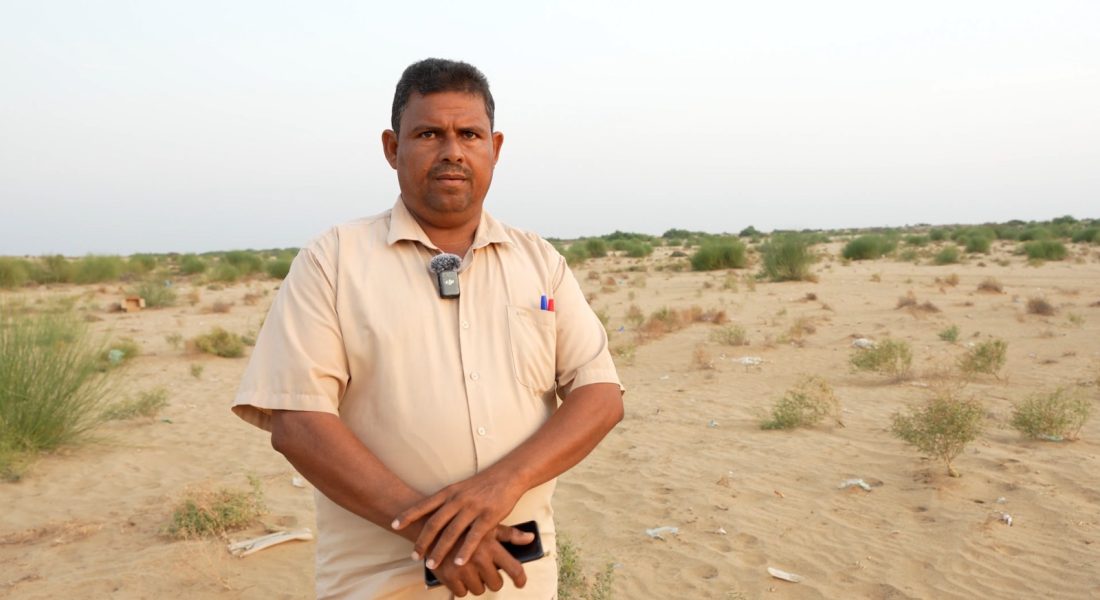
Landmines have caused significant damage to the agricultural sector in Midi district, Hajjah Governorate, Yemen, disrupting farming activities and preventing farmers from accessing their land for more than seven years, according to local sources.
Sheikh Hassan Musbah told the Project Masam media office that landmines planted across large areas of productive farmland have resulted in substantial losses for farmers, including loss of life and damage to property. He noted that dozens of people have been killed or injured, with some suffering permanent disabilities, in addition to the destruction of agricultural equipment.
Musbah said that hundreds of farms have been contaminated, making them unsafe and creating a continuing risk for residents, which has led to a near complete halt in agricultural activity in the area.
He explained that the intervention of Project Masam has contributed to improving conditions for farmers through expanded survey and clearance operations in residential and agricultural areas, allowing a gradual return to farming activities.
The tribal sheikh also praised the work of Project Masam demining teams in removing landmines and explosive remnants of war, stating that these efforts are helping to reduce risks to civilians and support the return to normal daily life.
He expressed appreciation for the support provided by the Kingdom of Saudi Arabia, noting that these humanitarian efforts play an important role in protecting lives and supporting livelihoods in affected communities in Midi district.
These developments underline the ongoing challenges facing the agricultural sector in Yemen’s conflict affected areas, particularly the continued threat posed by landmines and their impact on livelihoods and food security.