
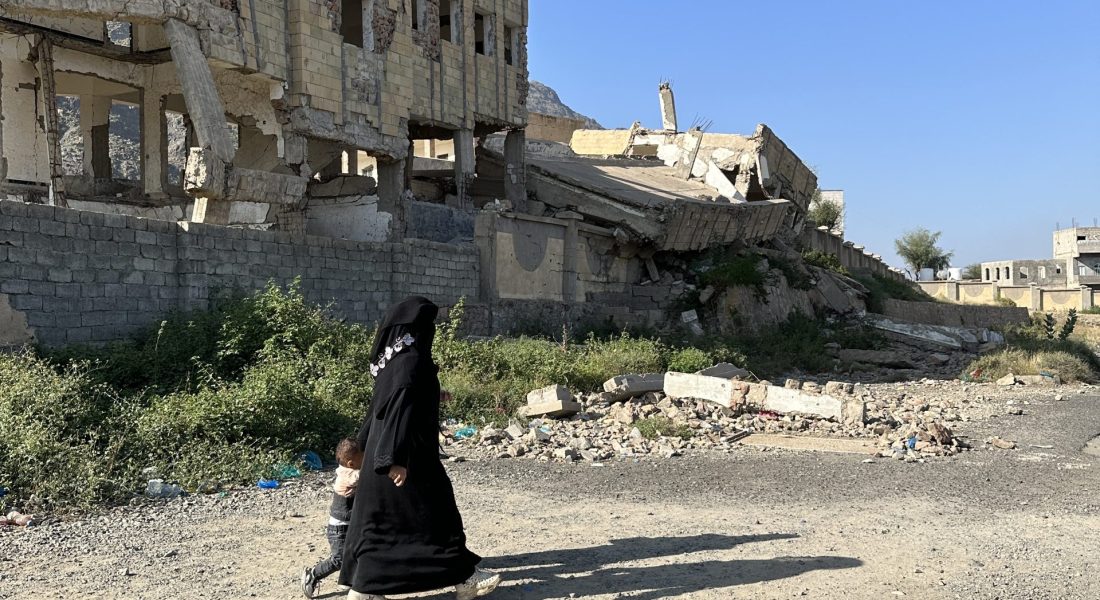
On International Migrants Day, Project Masam has drawn attention to the growing scale of displacement worldwide, particularly in Yemen, and the need to ensure protection for people forced to leave their homes.
Marking the day, United Nations Secretary-General António Guterres stated, “Let us stand together for the rights of every migrant, and make migration dignified and safe for all.”
According to the United Nations, the past year has seen record levels of internal displacement, driven by conflict, insecurity, and rising humanitarian needs. Yemen remains among the countries most affected, with displacement closely linked to the presence of landmines and explosive remnants of war.
Landmines and unexploded ordnance continue to contaminate residential areas, agricultural land, roads, and infrastructure across Yemen. These hazards cause deaths and injuries and restrict movement, limit access to livelihoods, and prevent the restoration of basic services. For many displaced families, the risk posed by explosive contamination makes return unsafe or impossible.
Displacement is often prolonged as a result. Indeed, communities are unable to return to their areas of origin, and those who move to new locations may face additional risks due to unfamiliar terrain and limited information about contamination. Children and people engaged in farming or collecting firewood are particularly exposed.
Improving safety for displaced populations requires addressing the factors that drive displacement and prevent return. Humanitarian mine action contributes to this by identifying and clearing explosive hazards, providing risk education to affected communities, and supporting survivors of explosive incidents.
Mine clearance allows land to be used again for housing, agriculture, and public services. Explosive Ordnance Risk Education (EORE) helps reduce accidents by improving awareness of explosive hazards, while victim assistance supports longer-term recovery for those injured.
Project Masam conducts survey and clearance activities across Yemen liberated areas to remove landmines and explosive remnants of war from affected areas. This work supports safer movement, reduces risks to civilians, and contributes to conditions that allow displaced people to return voluntarily and in safety.
On International Migrants Day, the focus on dignity and safety highlights the importance of sustained humanitarian action in conflict-affected contexts. In Yemen, reducing explosive contamination remains a necessary part of efforts to address displacement and support recovery, Ousama Algosaibi, Managing Director of Project Masam, said.
Commenting on International Migrants Day, he added: “Our teams regularly work in areas where families have been displaced multiple times because land remains unsafe. Explosive contamination limits choices and keeps people in prolonged uncertainty. Removing these hazards is a necessary step toward stability and safe return.”
Looking ahead, Project Masam underscores the importance of sustained support for humanitarian mine action to allow survey, clearance, and risk education activities to continue in areas affected by explosive contamination. Without consistent resources, progress in reducing risks to civilians and facilitating safe returns cannot be maintained.
The project also highlights the need to integrate mine action into broader displacement, return, and recovery planning. Clearance activities, risk awareness, and victim assistance are most effective when coordinated with humanitarian and development efforts aimed at supporting displaced populations and restoring basic services, including access to healthcare.
Finally, continued attention is required to ensure protection and assistance for civilians living in or returning to contaminated areas, particularly displaced communities and survivors of explosive incidents. Reducing exposure to explosive hazards remains essential to improving safety and supporting longer-term recovery in Yemen.